

Webinar on the Roles and Responsibilities for Success with Cold-Formed Steel Framing
$100.00
Continuing Education Credits Available – 1.5 PDH Credits
For a project to be successful, it takes more than good number crunching by an engineer. The engineer is only one part of a much larger team working together to design and construct the project. Sometimes, the lines of responsibility can be unclear, leading to delays, arguments and stress. Who is responsible for what? How is the burden of responsibility determined in cold-formed steel (CFS) design and construction practice?
This webinar will introduce and share recent updates to the SFIA AISI Code of Standard Practice (COSP). Jeff will discuss the contents of the COSP as it applies to a typical CFS project, and answer participant questions as an expert in both CFS design and CFS project management.
- Introduce the SFIA AISI Code of Standard Practice (COSP) and describe how it was developed and is maintained
- Describe the roles of various individual/entities in a CFS framing project
- Identify new items/changes in 2026 Edition
- Give examples of items in COSP and how they can be used in actual projects
Presenter
Jeffrey Klaiman, P.E.
ADTEK Engineers, Inc.
 Jeff has almost 35 years of experience in the construction industry. He is Principal in Charge of structural engineering at ADTEK Engineers, Inc., where he oversees the design and coordination of all cold-formed steel design documents. He manages in-house staff in five offices for general structural and cold-formed steel framing design, develops project schedules, and coordinates quality control reviews with project managers on his teams.
His expertise includes building maintenance and engineering, on-site engineering for a concrete contractor, and manager of technical services and Versa-Truss product manager for Dale/Incor (a former national manufacturer of cold-formed steel framing products and systems). He participated on the American Iron and Steel Institute’s Committee on Specifications for the Design of Cold-Formed Steel Structural Members and the Committee on Framing Standards for over 20 years. Jeff is a member of ASTM International, is past chairman of the Standard Practices Subcommittee of the AISI Committee on Framing Standards, current chairman of the SFIA Technical Committee, a member of the SFIA Standards Committee, and former president of the Mid-Atlantic Steel Framing Alliance (MASFA). He has been a member of CFSEI for more than 25 years, served as a past president, and currently the CFSEI’s Managing Director.
In order to receive credit for this course, you must complete the quiz at the end and pass with at least 80% for a certificate to be generated automatically
Related Products

Webinar on Post-Installed Anchor Testing, Qualification, and Design Procedure
Continuing Education Credits Available – 1.5 PDH Credits
Structural and non-structural elements are often connected to concrete structures by means of concrete anchors. Anchors are either cast-in the concrete during construction, or post-installed when the concrete has cured. There are various concrete anchor types with different behavioral characteristics. The designer must select the type, size and embedment most suitable for the given situation. Due to the large diversity in product types and makes, anchors are not standardized and products need to be qualified for their intended use. For this, suitability and serviceability tests on individual anchors are carried out in independent test laboratories. Evaluation of the test results ultimately result in the issuing of technical approvals which also provide the necessary data to carry out safe anchor design. In this webinar, the process for testing and qualification of post installed anchors, relevant building code and acceptance criteria will be discussed along with the design procedure, failure modes, and the factors affecting the failure mode.
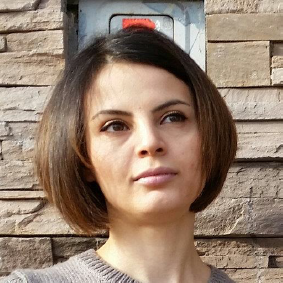 Presenter: Natasha Zamani, Ph.D., P.E.
Natasha Zamani received her Ph.D. in Civil Engineering from Southern Methodist University with a focus on numerical analysis of seismic soil-foundation-structure interaction. She is a registered professional engineer in Texas. Currently, she is working at Hilti as the Code and Standards Senior Manager. She is responsible for implementing and driving the code and approval strategy for Hilti installation product line or related modular cold formed systems.
In order to receive credit for this course, you must complete the quiz at the end and pass with at least 80% for a certificate to be generated automatically
Webinar on the Cold-Formed Steel Classroom: Understanding the Fundamentals Behavior of Cold-Formed Steel Members
Continuing Education Credits Available – 1.5 PDH Credits
The concepts of cold-formed steel behavior and design are not typically taught in engineering schools and therefore engineers are often required to self-teach these concepts. Therefore, if you are an entry level structural engineer, or a seasoned veteran, this CFSEI lecture is intended to provide a fundamental understanding of the some of the behavior and design principles for cold-formed steel members and connections. Roger will draw on lecture materials used in his semester course and three-day short course to explain the unique aspects of cold-formed steel behavior and design principles of AISI S100. The seminar will also discuss the roll-out of a new CFSEI Six-Hour lecture series that provides an overview of cold-formed steel member and connection behavior and design.
Presenter: Roger LaBoube, Ph.D., P.E.
Wei-Wen Yu Center for Cold-Formed Steel Structures
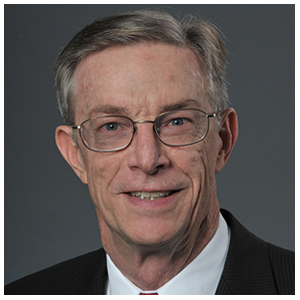 Dr. Roger A. LaBoube is Curator’s Distinguished Teaching Professor Emeritus of Civil, Architectural and Environmental Engineering and Director of the Wei-Wen Yu Center for Cold-Formed Steel Structures at the Missouri University of Science & Technology (formerly University of Missouri-Rolla). Dr. LaBoube holds B.S., M.S., and Ph.D. in Civil Engineering from the University of Missouri-Rolla. Dr. LaBoube has an extensive background in the design and behavior of cold-formed steel structures. His research and design activities have touched on many facets of cold-formed steel construction to include: cold-formed steel beams, panels, trusses, headers, wall studs as well as bolt, weld, and screw connections. Dr. LaBoube is active in several professional organizations and societies, including a member of the American Iron and Steel Institute’s Committee on Specifications for the North American Specification for the Design of Cold-Formed Steel Structural Members and chairman of the AISI Committee on Framing Standards. He is a Registered Professional Engineer in Missouri.
In order to receive credit for this course, you must complete the quiz at the end and pass with at least 80% for a certificate to be generated automatically
Webinar on Mid-Rise Construction using Light Weight Steel Framing
Continuing Education Credits Available – 1.5 PDH Credits
The webinar will cover light gauge steel wall framing and C-joists, composite deck and concrete, precast concrete, steel beams and deck and light gauge steel trusses. It will review wall and floor, fire and sound assemblies, panelization of walls, structural floor systems, lateral stability, roof design, shear wall deflection compared to wood, progressive collapse, and overall approval process. The webinar will also review completed projects.
Presenter: Raymond van Groll, M.Sc.(Eng), P.Eng.,
Atkins + Van Groll Inc.
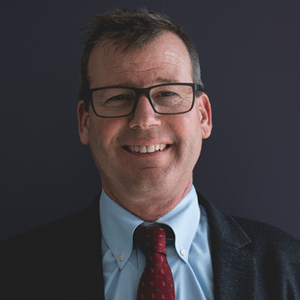
Raymond van Groll, M.Sc.(Eng), P.Eng., Managing Partner of Atkins + Van Groll Inc. With over 25 years of experience, van Groll specializes in mid-rise structural buildings and light gauge steel construction. In 1990, he founded Van Groll Engineering Inc., a structural professional engineering company specializing in residential and commercial construction and light gauge steel design. In 1997, he co-founded Atkins + Van Groll Inc. Consulting Engineers with Jonathan Atkins.
Raymond van Groll assisted in the development of the Canadian Sheet Steel Building Institute (CSSBI) “Lightweight Steel Framing Design Manual.” Some of his most notable projects include Chelster Hall Estate in Oakville, the Louis Vuitton Flagship Store in Toronto, The Rosseau, J.W. Marriott Resort & Spa, and Corktown Condominiums in Toronto.
In order to receive credit for this course, you must complete the quiz at the end and pass with at least 80% for a certificate to be generated automatically
Webinar on Cold-Formed Steel Connection Applications
Continuing Education Credits Available – 1.5 PDH Credits
This webinar will explore common cold-formed steel connection applications with an emphasis on clip angles. Until AISI D114, Cold-Formed Steel Clip Angle Design Guide was issued in 2021, there was no recognized design approach for clip angles. Based on research at the University of North Texas, a better understanding of the behavior and therefore the design requirements are now available.
Connection design information provided by AISI D110, Cold-Formed Steel Framing Design Guide, AISI D112, Brick Veneer Cold-Formed Steel Framing Design Guide and CFSEI Tech Notes will also be discussed.
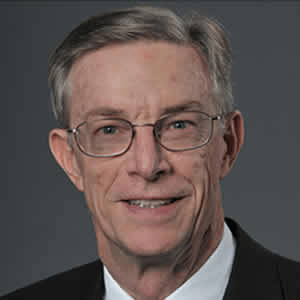 Presenter: Roger LaBoube, Ph.D., P.E., Cold-Formed Steel Engineers Institute
Dr. Roger A. LaBoube is Curator’s Distinguished Teaching Professor Emeritus of Civil, Architectural and Environmental Engineering and former director of the Wei-Wen Yu Center for Cold-Formed Steel Structures at the Missouri University of Science & Technology. Dr. LaBoube holds B.S., M.S., and Ph.D. degrees in Civil Engineering from the University of Missouri-Rolla. He has an extensive background in the design and behavior of cold-formed steel structures. His research and design activities have touched on many facets of cold-formed steel construction, including cold-formed steel beams, panels, trusses, headers, and wall studs as well as bolt, weld, and screw connections. Dr. LaBoube is active in several professional organizations and societies. He served as chairman of the American Iron and Steel Institute (AISI) Committee on Framing Standards and is an emeritus member of the AISI Committee on Specifications for the Design of Cold-Formed Steel Structural Members. He is a registered professional engineer in Missouri.
In order to receive credit for this course, you must complete the quiz at the end and pass with at least 80% for a certificate to be generated automatically
Price: $100
Webinar on Cold-Formed Steel Classroom: Connection Design 101
Continuing Education Credits Available – 1.5 PDH Credits
This webinar will review the fundamentals of cold-formed steel connection behavior and design. The primary focus will be on screw and weld connections; however, a limited discussion of bolt and power-actuated fastener (PAF) connections will also be provided. An overview of the design provisions in AISI S100, North American Specification for the Design of Cold-Formed Steel Structural Members will be included. In addition, design issues for typical cold-formed steel framing connections will be explored, including deflection track, stud-to-track, stud splice and cantilever knee wall connections.
Presenter: Roger LaBoube, Ph.D., P.E.
Wei-Wen Yu Center for Cold-Formed Steel Structures
Roger LaBoube, Ph.D., P.E. is Curator’s Distinguished Teaching Professor Emeritus of Civil, Architectural and Environmental Engineering and Director of the Wei-Wen Yu Center for Cold-Formed Steel Structures at the Missouri University of Science & Technology (formerly University of Missouri-Rolla). Dr. LaBoube holds B.S., M.S., and Ph.D. degrees in Civil Engineering from the University of Missouri-Rolla. Dr. LaBoube has an extensive background in the design and behavior of cold-formed steel structures. His research and design activities have touched on many facets of cold-formed steel construction including cold-formed steel beams, panels, trusses, headers, and wall studs as well as bolt, weld, and screw connections. He is active in several professional organizations and societies, including membership on the American Iron and Steel Institute’s Committee on Specifications for the Design of Cold-Formed Steel Structural Members and chairman of the AISI Committee on Framing Standards. He is a registered Professional Engineer in Missouri.
In order to receive credit for this course, you must complete the quiz at the end and pass with at least 80% for a certificate to be generated automatically
Back-to-Basics: Structural vs Nonstructural Members Webinar
Continuing Education Credits Available – 1.5 PDH Credits
The North American Standard for Cold-Formed Steel Framing – Nonstructural Members, AISI S220, has been adopted into IBC 2015. AISI S220 was created to help delineate and eliminate the confusion between the engineering principles and requirements for cold-formed steel structural members and nonstructural members. The webinar will address the basic behavior of composite vs non-composite wall assemblies, as well as design requirements that differ between the structural and nonstructural member.
Presenter: Roger LaBoube, Ph.D., P.E.
Wei-Wen Yu Center for Cold-Formed Steel Structures
Roger LaBoube, Ph.D., P.E. is Curator’s Distinguished Teaching Professor Emeritus of Civil, Architectural and Environmental Engineering and Director of the Wei-Wen Yu Center for Cold-Formed Steel Structures at the Missouri University of Science & Technology (formerly University of Missouri-Rolla). Dr. LaBoube holds B.S., M.S., and Ph.D. degrees in Civil Engineering from the University of Missouri-Rolla. Dr. LaBoube has an extensive background in the design and behavior of cold-formed steel structures. His research and design activities have touched on many facets of cold-formed steel construction including cold-formed steel beams, panels, trusses, headers, and wall studs as well as bolt, weld, and screw connections. He is active in several professional organizations and societies, including membership on the American Iron and Steel Institute’s Committee on Specifications for the Design of Cold-Formed Steel Structural Members and chairman of the AISI Committee on Framing Standards. He is a registered Professional Engineer in Missouri.
In order to receive credit for this course, you must complete the quiz at the end and pass with at least 80% for a certificate to be generated automatically
Webinar on Practical Allyship – 5 Actions Anyone Can Do to Promote Inclusion at Work
Continuing Education Credits Available – 1.5 PDH Credits
Creating an inclusive work environment is not just the “right thing to do.” Inclusive behaviors are tied to higher levels of individual performance and firm profits; yet creating and working in an inclusive work environment often feels elusive, as evidenced by the fact that almost two-thirds of workers are disengaged at work.
In this interactive session, you will learn about the business case for inclusive work cultures and five simple actions anyone can take to create a more inclusive work environment for those they work with, regardless of current role or firm size. Applicable to everyone from new graduates to CEOs, these strategies have been shown to create a more inclusive work environment while requiring little time or budget to implement. When implemented consistently, these strategies create better work cultures for everyone and improve the retention of coworkers in traditionally marginalized gender, racial, and ethnic groups. You will leave this session empowered with specific actions you can immediately apply to engineer inclusion in your everyday interactions.
Presenter: Stephanie Slocum, P.E., Engineers Rising LLC
 Stephanie Slocum, P.E. is the founder of Engineers Rising LLC and author of “She Engineers: Outsmart Bias, Unlock Your Potential, and Live the Engineering Career of your Dreams.” Stephanie shines light on the barriers to the retention of engineers and provides practical training, inspiration, and mentorship through her online platform and programs. She is a champion of inclusive work cultures.
Stephanie is the current chair of the Structural Engineering Institute’s (SEI) Business Practices committee. She is currently serving as an elected member of SEI’s Board of Governors and is a member of the American Society of Civil Engineers (ASCE) Task Committee on the Code of Ethics. She is a winner of the 2020 Connected World’s Women in Technology Award for her work empowering women in engineering. Prior to founding Engineers Rising, she worked in structural engineering building consulting for 15 years. She holds bachelor’s and master’s degrees in architectural engineering.
In order to receive credit for this course, you must complete the quiz at the end and pass with at least 80% for a certificate to be generated automatically
Webinar on Introducing AISI S250: Your Starting Place for Determining Thermal Transmittance through Cold-Formed Steel Framing
Continuing Education Credits Available – 1.5 PDH Credits
The webinar introducing AISI S250, North American Standard for Thermal Transmittance of Building Envelopes with Cold-Formed Steel Framing, will walk attendees through the history, development and contents of the AISI S250 standard. Participants will obtain a relative understanding of how to apply the various provisions in order to evaluate the thermal capabilities of envelope assemblies (e.g., walls, ceilings/roofs) containing cold-formed steel framing for use in professional practice. Jonathan Humble led the work group responsible for the development and publication of the AISI S250 standard.
Presenter: Jonathan Humble, FAIA, NCARB, LEED BD+C
American Iron and Steel Institute
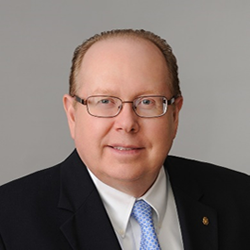 Jonathan Humble is a Regional Director of Construction Codes and Standards for the American Iron and Steel Institute (AISI). He holds Bachelor’s and Master’s degrees in Architecture from the University of Wisconsin-Milwaukee, is licensed as an architect in Connecticut and Massachusetts, is NCARB-certified, and holds a LEED AP-BD+C credential. He has received architectural awards for his designs while in the practice of architecture.
Jonathan was inducted into the American Institute of Architects (AIA) College of Fellows for his outstanding contributions to the AIA and its membership. He is a recipient of the International Code Council’s Honorary Membership, ASHRAE International’s Distinguished Service Award, National Fire Protection Association’s Committee Service Award, and the Cool Roof Ratings Council’s Marty Hastings Award, all in recognition of his exceptional service and contributions to these codes and standards organizations.
Jonathan’s activities within AISI include research and development of new technologies for AISI standards and guides, participation in national model codes and standards development, and educational services to steel industry members, design professionals, code officials, general contractors and building owners.
In order to receive credit for this course, you must complete the quiz at the end and pass with at least 80% for a certificate to be generated automatically