

Webinar on Updates to the AISI North American Specification and Standards
$100.00
Continuing Education Credits Available – 1.5 PDH Credits
The American Iron and Steel Institute (AISI) has been involved in the support of research and the development and maintenance of cold-formed steel codes, standards and specifications for 90 years. AISI sought American National Standards Institute (ANSI) accreditation and was approved as a developer of American National Standards in 1999.
AISI S100, North American Specification for the Design of Cold-Formed Steel Structural Members and the suite of AISI framing standards are the referenced documents for cold-formed steel design in the International Building Code. Every few years, AISI updates the Specification and standards to add new provisions based on the latest information from research and industry. These updates can deliver improved methods for analyzing members, provide new considerations when designing members and connections, and directly impact the design of floor, wall and roof systems. This webinar will review all of the relevant changes to these AISI documents and how they are intended for implementation into the applicable building codes.
Presenter: Jon-Paul Cardin, P.E.
American Iron and Steel Institute
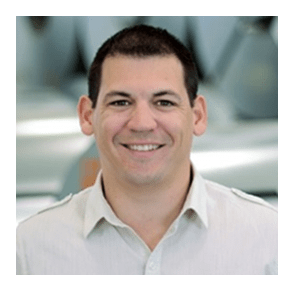 Jon-Paul currently serves as a codes and standards engineer for the American Iron and Steel Institute (AISI). In this position, he represents the interests of the steel construction industry in the national codes and standards arenas. Specifically, Jon-Paul is active in the International Code Council (IBC, IRC), ASCE 7 and NFPA 5000, as well as the AISI Committee on Specifications and AISI Committee on Framing Standards. Prior to joining AISI, Jon-Paul served as the engineering manager for a steel framing manufacturer. He holds Bachelor of Science degrees in both Civil Engineering (Structural) and Mathematics from the University of Idaho.
In order to receive credit for this course, you must complete the quiz at the end and pass with at least 80% for a certificate to be generated automatically
Price: $100
Related Products

Webinar on Cold-Formed Steel Framing Design with Data-Driven Models
Continuing Education Credits Available – 1.5 PDH Credits
A historical challenge for the cold-formed steel industry has been the generation of many disparate physical test data sets without much dedicated effort on collecting and curating that data. A non-profit data-driven Initiative was recently launched to address this knowledge gap, and the Initiative’s mission is to make high quality physical test data accessible to anyone. This webinar will discuss a plan for using emerging data-driven tools to design cold-formed steel framing. The webinar will present a convincing case for how data-driven models can reduce the hoops an engineer has to jump through to design cold-formed steel framing. Cris will use examples to highlight the first open databases and supporting data tools from the Initiative that are now becoming available.
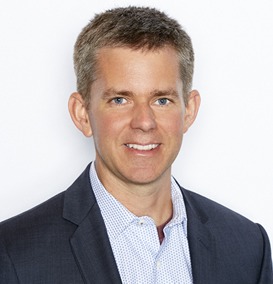
Cristopher D. Moen, Ph.D., P.E., F.SEI
RunToSolve LLC
Cris Moen is CEO and President of RunToSolve LLC, a software R&D company founded in 2019 that specializing in structural system analysis and design automation.
Cris started his career as a bridge engineer at J. Muller International (1997-2002) and Parsons Corporation (2002-2004). He completed his Ph.D. at Johns Hopkins University (2004-2008) focusing on thin-walled structures and cold-formed steel, working up to Associate Professor at Virginia Tech (2008-2016), and since 2017 has served as a part-time faculty member at Johns Hopkins University. From 2013 to 2018 Cris was CEO of NBM Technologies, Inc., an academically-rooted engineering consulting company that completed over 100 projects across building construction, solar, and aerospace industry sectors.
In order to receive credit for this course, you must complete the quiz at the end and pass with at least 80% for a certificate to be generated automatically
Webinar on Vibration Serviceability of Floors with Cold-Formed Steel Framing
Continuing Education Credits Available – 1.5 PDH Credits
Cold-formed steel (CFS) joists and trusses have high strength-to-weight ratios and good overall economy, so they are popular choices for floor framing members. As is the case with most types of floor systems, CFS floors are potentially susceptible to vibrations due to walking and other human activities. This webinar will raise awareness of the importance of vibration serviceability by describing two forensics projects with lively CFS floors. The literature contains several floor vibration evaluation methods that might be applicable to CFS floor. However, unlike other materials, there is not a widely accepted and practical vibration evaluation method for CFS floors. Potential evaluation methods will be discussed.
Presenter: Brad Davis, Ph.D., S.E., P.E.
University of Kentucky
 Brad Davis is an associate professor of civil engineering at the University of Kentucky where he is responsible for all steel design coursework and has received awards recognizing excellence in teaching. As the owner of Davis Structural Engineering, LLC, he provides consulting services for structural vibration, forensics and advanced steel design applications. He is a member of the AISC Committee on Manuals, and is a co-author of AISC Design Guide 11, Vibrations of Steel-Framed Structural Systems Due to Human Activity. Brad has published approximately two dozen journal and conference papers on vibration. He earned his Ph.D. from Virginia Tech and has eight years of experience in building design. He has S.E. and P.E. licenses in 14 states.
In order to receive credit for this course, you must complete the quiz at the end and pass with at least 80% for a certificate to be generated automatically
Back-to-Basics: Structural vs Nonstructural Members Webinar
Continuing Education Credits Available – 1.5 PDH Credits
The North American Standard for Cold-Formed Steel Framing – Nonstructural Members, AISI S220, has been adopted into IBC 2015. AISI S220 was created to help delineate and eliminate the confusion between the engineering principles and requirements for cold-formed steel structural members and nonstructural members. The webinar will address the basic behavior of composite vs non-composite wall assemblies, as well as design requirements that differ between the structural and nonstructural member.
Presenter: Roger LaBoube, Ph.D., P.E.
Wei-Wen Yu Center for Cold-Formed Steel Structures 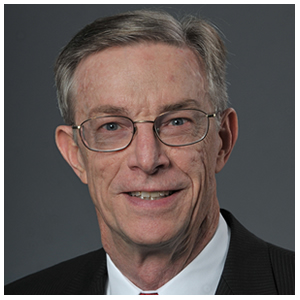
Roger LaBoube, Ph.D., P.E. is Curator’s Distinguished Teaching Professor Emeritus of Civil, Architectural and Environmental Engineering and Director of the Wei-Wen Yu Center for Cold-Formed Steel Structures at the Missouri University of Science & Technology (formerly University of Missouri-Rolla). Dr. LaBoube holds B.S., M.S., and Ph.D. degrees in Civil Engineering from the University of Missouri-Rolla. Dr. LaBoube has an extensive background in the design and behavior of cold-formed steel structures. His research and design activities have touched on many facets of cold-formed steel construction including cold-formed steel beams, panels, trusses, headers, and wall studs as well as bolt, weld, and screw connections. He is active in several professional organizations and societies, including membership on the American Iron and Steel Institute’s Committee on Specifications for the Design of Cold-Formed Steel Structural Members and chairman of the AISI Committee on Framing Standards. He is a registered Professional Engineer in Missouri.
In order to receive credit for this course, you must complete the quiz at the end and pass with at least 80% for a certificate to be generated automatically
Webinar on Frequently Misunderstood Wind Load Topics for Cold-Formed Steel Structures
Continuing Education Credits Available – 1.5 PDH Credits
The webinar will focus on wind provisions of ASCE 7/ IBC (International Building Code) that are frequently misunderstood or incorrectly applied with a particular emphasis on cold-formed steel structures, including building enclosure classification, torsional wind design, wind load analysis methods, canopies, rooftop screen walls, and effective wind area. It will also focus on ASCE 7-16 changes and explore the future of wind design.
Presenter: Emily Guglielmo, P.E., S.E., F.SEI, Martin/Martin
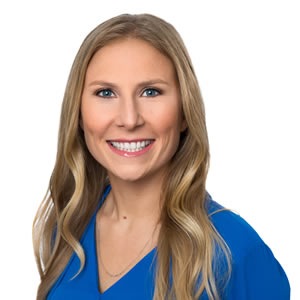
Emily Guglielmo, P.E., S.E., F.SEI, a Principal with Martin/Martin, will conduct the webinar. With more than 15 years of structural engineering experience, Emily began her career in the Denver, Colorado office of Martin/Martin and now manages the firm’s San Francisco Bay area office. She is President of the National Council of Structural Engineers Associations (NCSEA) and President of the Structural Engineers Association of Northern California (SEAONC). She is also the Chair of the NCSEA Wind Engineering Committee and Vice Chair of the ASCE 7 Seismic Subcommittee. She serves as a voting member on the ASCE 7 Wind, Seismic, and Main Committees. Emily has presented more than 100 lectures on seismic, wind, and building code provisions both nationally and internationally. She has received several awards, including SEI Fellow and the Susan M. Frey NCSEA Educator Award for effective instruction for practicing structural engineers. Emily earned her bachelor’s degree in Civil Engineering from UCLA and her master’s degree in Structural Engineering from UC Berkeley.
In order to receive credit for this course, you must complete the quiz at the end and pass with at least 80% for a certificate to be generated automatically
Webinar on Devil in the Details: Learning from Mid-Rise Successes and Failures
Continuing Education Credits Available – 1.5 PDH Credits
Industry veteran Don Allen provides insights, photos, and details from projects that have worked, and some that have not. With over 25 years of both Engineer-of- Record and CFS specialty engineer experience, Allen will show both design examples and field photos / repairs where problems have been avoided / created / resolved on CFS framing projects. Allen will discuss each specific design challenge, why a certain approach was taken, what went right with the design and construction, and what could have been done differently for conditions that did not work. Allen will also discuss some of his recent work overseas, and how innovations worldwide are shaping CFS construction in North America.
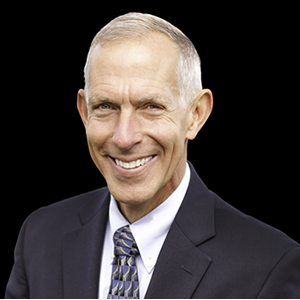 Presenter: Don Allen, P.E., Super Stud Building Products, Inc.
Don Allen, P.E. currently serves as Director of Engineering for Super Stud Building Products, Inc., where he oversees product development, testing, engineering, and technical services. Having worked in the cold-formed steel industry since 1990, Allen served as a CFS specialty engineer, Engineer-of-Record, and industry representative before his current position with a stud manufacturer. He concurrently served for more than 9 years as Technical Director for three associations in the cold-formed steel industry – the Steel Stud Manufacturers Association (SSMA), the Steel Framing Alliance (SFA), and the Cold-Formed Steel Engineers Institute (CFSEI). He chairs the Education Subcommittee of the American Iron and Steel Institute’s Committee on Framing Standards and Committee on Specifications, and was the 2013 recipient of the CFSEI Distinguished Service Award. He has given presentations on CFS in China, Colombia, Egypt, Hawaii, and South Africa, and has been involved in design projects in North America, Africa, and Europe.
In order to receive credit for this course, you must complete the quiz at the end and pass with at least 80% for a certificate to be generated automatically
Webinar on Overview of the Fundamental Behavior of Cold-Formed Steel Members and Connections
Continuing Education Credits Available – 1.5 PDH Credits
The concepts of cold-formed steel behavior and design are not typically taught in engineering schools and therefore engineers are often required to self-teach these concepts. Therefore, if you are an entry level structural engineer, or a seasoned veteran, this CFSEI lecture is intended to provide a fundamental understanding of the some of the behavior and design principles for cold-formed steel members and connections. Roger will draw on lecture materials used in his semester course and three-day short course to explain the unique aspects of cold-formed steel behavior and design principles of AISI S100.
Roger A. LaBoube, Ph.D., P.E.,
Wei-Wen Yu Center for Cold-Formed Steel Structures
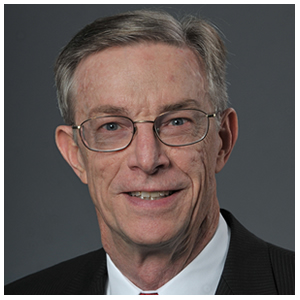 Dr. Roger A. LaBoube is Curators’ Distinguished Teaching Professor Emeritus of Civil, Architectural and Environmental Engineering and former director of the Wei-Wen Yu Center for Cold-Formed Steel Structures (CCFSS) at the Missouri University of Science & Technology, formerly known as the University of Missouri-Rolla. Dr. LaBoube holds B.S., M.S., and Ph.D. degrees in Civil Engineering from the University of Missouri-Rolla. He has an extensive background in the design and behavior of cold-formed steel structures. His research and design activities have touched on many facets of cold-formed steel construction, including cold-formed steel beams; panels; trusses; headers; wall studs; and bolt, weld, and screw connections. Dr. LaBoube is active in several professional organizations and societies, including membership on the American Iron and Steel Institute’s (AISI) Committee on Specifications and as chairman of AISI’s Committee on Framing Standards. He is a registered Professional Engineer in Missouri. Dr. LaBoube is a frequent presenter of CFSEI webinars, answers questions from engineers through the CFSEI Hotline, and remains active in developing cold-formed steel standards through the AISI Committee on Framing Standards.
In order to receive credit for this course, you must complete the quiz at the end and pass with at least 80% for a certificate to be generated automatically
Webinar on the Cold-Formed Steel Classroom: Understanding the Fundamentals Behavior of Cold-Formed Steel Members
Continuing Education Credits Available – 1.5 PDH Credits
The concepts of cold-formed steel behavior and design are not typically taught in engineering schools and therefore engineers are often required to self-teach these concepts. Therefore, if you are an entry level structural engineer, or a seasoned veteran, this CFSEI lecture is intended to provide a fundamental understanding of the some of the behavior and design principles for cold-formed steel members and connections. Roger will draw on lecture materials used in his semester course and three-day short course to explain the unique aspects of cold-formed steel behavior and design principles of AISI S100. The seminar will also discuss the roll-out of a new CFSEI Six-Hour lecture series that provides an overview of cold-formed steel member and connection behavior and design.
Presenter: Roger LaBoube, Ph.D., P.E.
Wei-Wen Yu Center for Cold-Formed Steel Structures
Dr. Roger A. LaBoube is Curator’s Distinguished Teaching Professor Emeritus of Civil, Architectural and Environmental Engineering and Director of the Wei-Wen Yu Center for Cold-Formed Steel Structures at the Missouri University of Science & Technology (formerly University of Missouri-Rolla). Dr. LaBoube holds B.S., M.S., and Ph.D. in Civil Engineering from the University of Missouri-Rolla. Dr. LaBoube has an extensive background in the design and behavior of cold-formed steel structures. His research and design activities have touched on many facets of cold-formed steel construction to include: cold-formed steel beams, panels, trusses, headers, wall studs as well as bolt, weld, and screw connections. Dr. LaBoube is active in several professional organizations and societies, including a member of the American Iron and Steel Institute’s Committee on Specifications for the North American Specification for the Design of Cold-Formed Steel Structural Members and chairman of the AISI Committee on Framing Standards. He is a Registered Professional Engineer in Missouri.
In order to receive credit for this course, you must complete the quiz at the end and pass with at least 80% for a certificate to be generated automatically
Webinar on The New AISI Shear Wall Design Guide – AISI-D113-19
Continuing Education Credits Available – 1.5 PDH Credits
The webinar will provide an overview of shear wall design principles as presented in AISI D113-19 including: Load Path; Wind and Seismic Considerations; Type I and II Shear Wall concepts; Shear Wall Deflection. Design examples will also be presented.
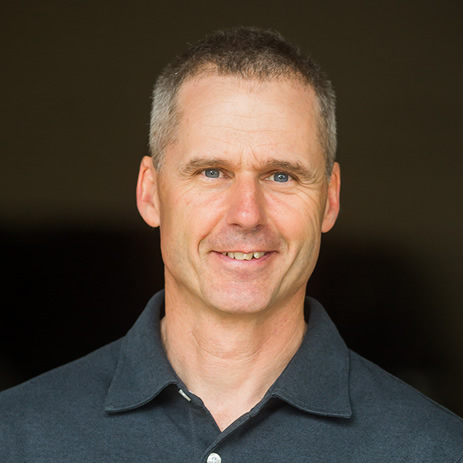
Presenter: Robert L. Madsen, P.E., Devco Engineering, Inc.
Robert Madsen is a Principal with Devco Engineering, Inc. in Enterprise, Oregon where he specializes in the design of cold-formed steel framing. He serves on the American Iron and Steel Institute (AISI) Committee on Specifications (COS) and Committee on Framing Standards (COFS), where he is chairman of the Lateral Subcommittee. He is also chairman of the Technical Review Committee of the Cold-Formed Steel Engineers Institute (CFSEI).
In order to receive credit for this course, you must complete the quiz at the end and pass with at least 80% for a certificate to be generated automatically